
Best Walk-In Shower for Senior Citizens: A Smart Choice for Seniors Who Want to Age in Place
Choosing the right shower is one of the most important home upgrades a senior can make—especially when the goal is to age in place with confidence. In this guide, we’ll compare a walk-in shower to a bathtub, explain the best safety upgrades, and show what to look for when planning walk-in showers for seniors. You’ll learn which features matter most for comfort, easy access, and long-term value—so you can request a free quote with clarity.

A smart choice for seniors who want to age in place—exploring walk-in shower safety features before replacing a bathtub.
1) What makes the best shower setup for a senior citizen?
The best shower for a senior is the one that reduces fall risk and makes daily routines easier and more comfortable. For many people, the biggest challenge isn’t water temperature or style—it’s stepping over a high edge, balancing on slippery surfaces, or trying to bathe safely when joints aren’t what they used to be. That’s why a properly planned walk-in shower is often the best upgrade for comfort and confidence.
A smart layout starts with safety and comfort: an entry that’s easy to step into, stable footing, and support where it’s needed. The right shower setup can deliver real peace of mind for a senior and for seniors and their families, especially when paired with the right bathroom features.
2) Walk-in showers vs a traditional tub: which is safer?
When it comes to reducing slips and falls, walk-in showers vs a traditional tub is usually an easy comparison. A bathtub typically requires a high step over the tub wall, plus awkward turning and balancing on one leg—exactly the kind of movement that becomes risky with limited mobility. Even if you have a standard traditional shower over a tub, the entry step is still there.
A walk-in shower is designed to reduce that “step and pivot” problem. With the right entry and flooring, the shower becomes easier to get into and out of, and the space can be configured around mobility needs. For many older adults, replacing an outdated tub is one of the biggest improvements they can make to stay independent.
3) What safety features should a walk-in shower include?
The most important safety features are the ones that reduce slipping, support balance, and make movement predictable. Start with grab bars—they’re not just for emergencies; they help with steadying, standing, and transitioning. The best setups include grab bars placed where you naturally reach when entering, turning, and exiting the shower. (Yes—grab bars are worth it.)
Next, focus on stable footing and water control. A quality shower base or properly installed tile floor should be slip-resistant and easy to maintain. Your shower should also include reliable temperature control to avoid sudden hot/cold changes, plus a reachable control location so a senior isn’t stretching or twisting.

A low-threshold, curbless walk-in shower improves accessibility for seniors and reduces trip hazards compared to a bathtub.
4) Low threshold, low-threshold, and curbless entry: what’s the difference?
If you’re comparing entry styles, here’s the simplest way to think about it. A low threshold entry reduces the step height dramatically, while a low-threshold or curbless design aims for smoother access with minimal obstruction. For some households, true barrier-free access is the goal—especially if someone uses a wheelchair or needs extra clearance for a wheelchair or walker.
Your best choice depends on your current bathroom layout and what mobility support is needed. Some homes can accommodate a curbless entry easily; others may do better with a low threshold shower entry that still manages water well. Either way, a properly planned entry improves accessibility and makes the daily bathing experience more comfortable.
5) Shower doors or open entry: what’s safest and easiest?
Many walk-in shower designs use either an open entry or shower doors. Open entry can be great for access, while a door can help contain water. The key is choosing what’s safest in your specific shower space and how the room is used. For a senior, the best option is often the one that avoids awkward stepping and doesn’t require pushing or pulling a heavy door while balancing.
If you choose a door, look for an option that swings smoothly and offers enough clearance for assistance or mobility tools. In some designs, a glass shower enclosure keeps the bathroom bright and open while still controlling splash. If you go open entry, your installer should plan the layout carefully to keep water contained and the floor dry.
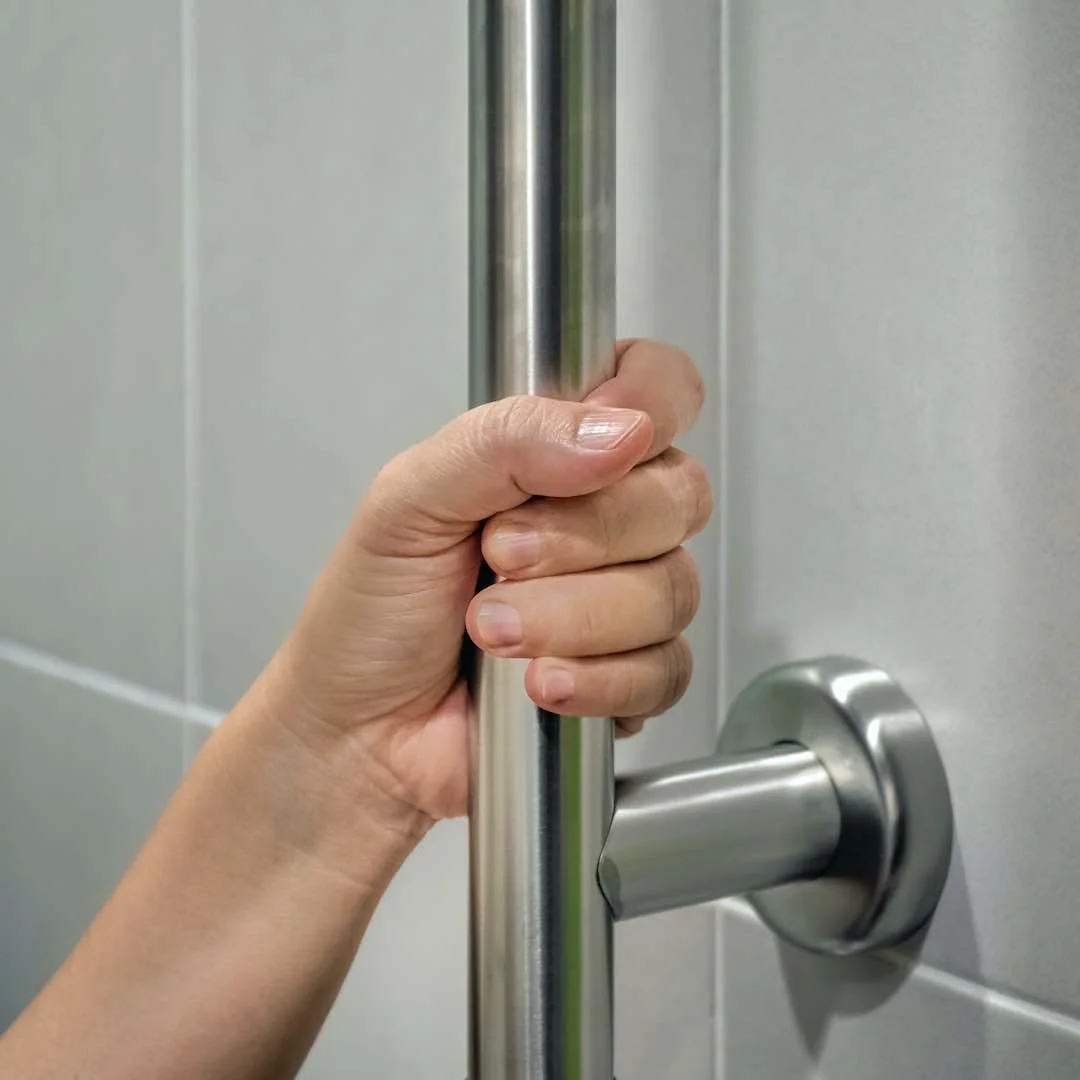
A secure walk-in shower setup starts with properly placed grab bars for better balance and confidence.
6) Grab bars, built-in seating, and handheld controls for comfortable bathing
Comfort and safety go together. Add grab bars in the right spots, and consider built-in seating for stability and rest. A seat is especially helpful when someone wants to bathe without standing the whole time. Many homeowners also add shower benches as part of a safer, more comfortable routine.
A handheld sprayer can also be a game-changer. It makes rinsing easier, reduces bending, and supports assisted bathing when needed. For one more detail that matters: place the shower head (and handheld mount) at a practical height so the shower works for multiple users and doesn’t require reaching.
7) Planning a new walk-in shower: space, layout, and shower design
A new walk-in shower should be planned around how the person actually moves through the bathroom. That means thinking about entry, turning radius, and where support needs to exist. For some people, mobility tools like mobility aids influence everything from doorway clearance to where the controls should be placed.
A great plan also considers the overall shower design and finish choices. Some homeowners choose tile for style, while others prefer a more streamlined surface that’s easier to clean. A well-planned walk in shower can look modern and feel safe at the same time—especially when it’s built to reduce tripping hazards and allow smooth transitions.
8) Installing and installation: what to expect during a remodel
Most homeowners want to know how disruptive the process is. The short answer: with the right team, installing a walk-in shower can be straightforward. A typical installation may involve removing the old tub, updating plumbing, preparing the floor, and building out the new shower entry and walls. In some cases, a small remodel is needed to improve drainage, widen access, or reinforce the floor.
You’ll also want to ask about professional installation, because this isn’t the place to gamble on shortcuts. A quality installer will follow manufacturer requirements, confirm waterproofing steps, and explain what you can expect day by day. This is also the time to request a design consultation so you can choose a layout that’s truly right for a senior.
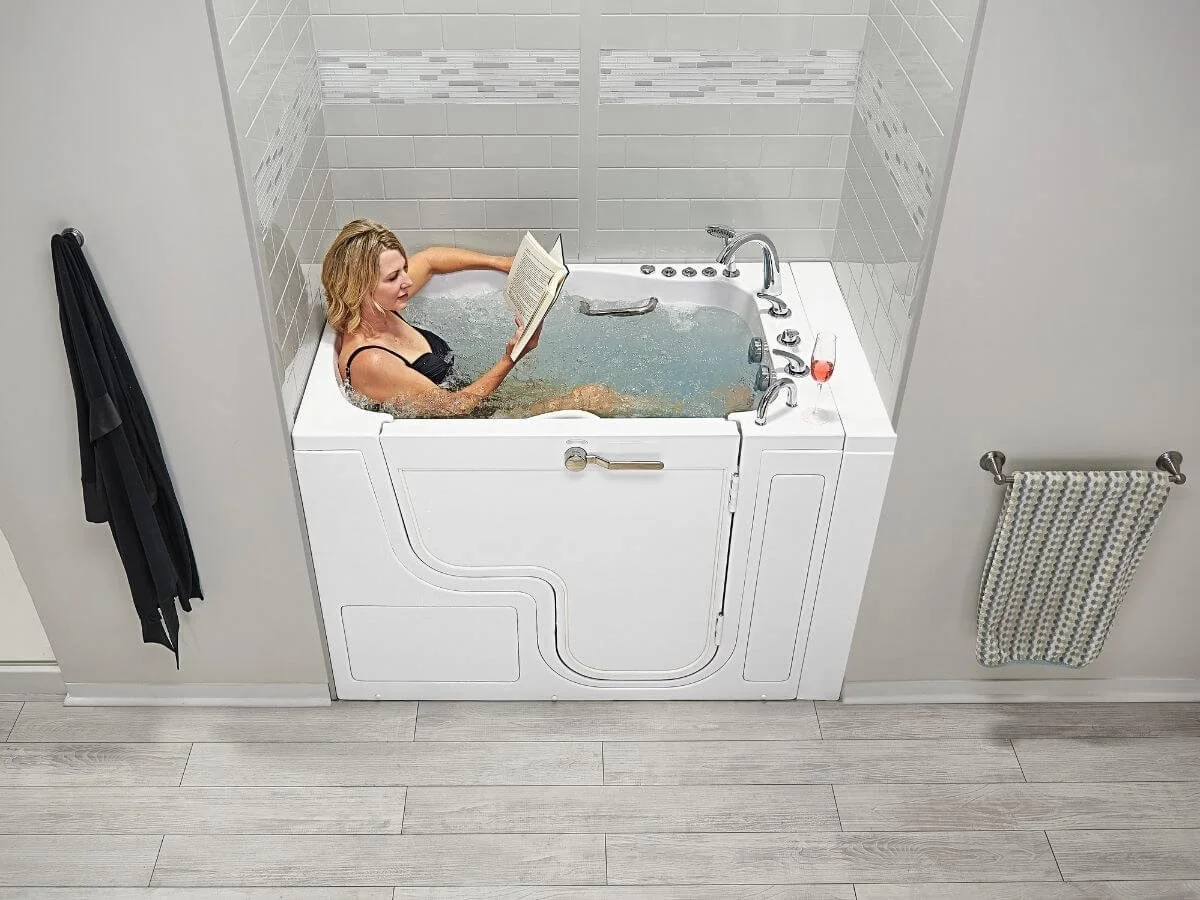
A walk-in tub can be a great option for seniors who prefer soaking and hydrotherapy, while a walk-in shower is often faster and easier for daily bathing.
9) Walk-in tub or shower: when does a walk-in tub make sense?
Some people still prefer soaking—especially if they have joint discomfort and want hydrotherapy. In that case, a walk-in tub can be a strong option, and it may include a tub seat and therapy features. A walk-in tub can be a great fit for households that want soaking benefits and have the patience for filling and draining.
But for many homes, the practical everyday choice is still the walk-in shower—particularly when the goal is quick, safe bathing. If you’re debating tub or shower, consider how frequently soaking is truly used, how quickly you want the routine to be, and whether stepping over a tub edge is currently a risk.
10) The advantages of a walk-in shower for seniors: safety and accessibility first
The advantages of a walk-in shower are simple: safer entry, better movement, and the ability to customize the space for real needs. A properly designed accessible shower improves safety and accessibility without making the room feel clinical. For an elderly homeowner, that combination—comfort plus safer daily routines—is a major upgrade.
Many walk-in showers offer features that scale with changing needs: seating, grab bars, slip-resistant floors, and flexible sprayer options. In other words, walk-in showers are designed to be adaptable and supportive, not just trendy.
11) Cost, warranty, and financing options: planning the upgrade
A safe bathroom upgrade is an investment, and it’s smart to plan it like one. Ask for a detailed quote that covers materials, labor, and timeline. Confirm the warranty on both products and labor, and ask what’s covered if something needs adjustment after the install. (A strong warranty matters more than most people think.)
If you’re budgeting, many contractors provide financing options so you can move forward without delaying a safety upgrade. The goal is to create a new shower that’s safe now and stays practical later—and to make choices that fit your home and your budget. A good plan also includes one smart add-on: safety features like grab bars placed correctly, not as an afterthought.
Key takeaways to remember
The best shower for a senior focuses on safe entry, stable footing, and smart support.
A walk-in shower typically reduces fall risk compared to a bathtub or traditional tub setup.
Prioritize grab bars, seating, slip-resistant floors, and easy-to-reach controls.
Consider low threshold, low-threshold, or curbless entry depending on mobility needs.
A door can help control splash, but open entry can improve access—choose what’s safest for your space.
A walk-in tub can still make sense if soaking therapy is a priority, but a shower is often faster and simpler.
Ask about timeline, product details, and warranty, and explore financing options if needed.
If you’re ready to explore the safest setup for your home, request a free quote for a walk-in shower and compare options tailored to your bathroom and mobility needs.